A Simple Guide Of Emergency Lighting
The Regulation Reform (Fire Safety) Order of 2005 stipulates that emergency lighting must be a vital component of a building's fire protection system. It serves as a lifeline for employees and building occupants during a fire or building evacuation by illuminating the path to the closest fire escape and meeting place. Read our Easy Guide to Emergency Lighting:

A building may go pitch black if there is a fire or if the local lighting system fails. This may cause confusion and fear among those who are already inside the building. While attempting to swiftly and securely leave a building, it is the last thing you need.
The British Standard offers precise rules for the emergency lighting designer to follow. Residential hotels, clubs, hospitals, nursing homes, schools and colleges, licenced establishments, offices, museums, stores, multi-story houses, etc. are all covered by BS 5266-1: 2011. Although this standard specifies the kinds and duration of emergency lighting systems for each category of properties, it is important to keep in mind that the installation requirements for your specific building may be greater. It is advised that you get a professional to examine the emergency lighting you require in your building(s) to make sure it effectively fulfils your specific needs.
Emergency Lighting: What is it?
When the mains electricity to regular lights is cut off, emergency lighting turns on. Emergency lighting comes in a variety of forms:
- Escape route lighting. The escape route is marked by these lights, ensuring that building occupants may quickly and securely locate it and utilise it to leave the structure.
- Open area lighting.This makes sure there is enough lighting within the structure for the residents to find the clearly marked escape path. When individuals leave the building, it lessens anxiety.
- High risk task area lighting. Those who may be working on potentially hazardous procedures need to have them properly stopped before they may be evacuated from the premises. High danger area lighting illuminates certain specific locations.
- Auxiliary lighting. Normal operations will be allowed to continue as a result. Depending on the purpose and occupancy of the space, it may or may not be necessary. It is up to management preference as it is not a part of the legal obligations.
Emergency Lighting Types
Emergency lighting comes in two different varieties:
- Self sufficient. Each of these fixtures has its own set of batteries. It often costs less than the other choice, and it has benefits and drawbacks. The installation takes less time, costs less to maintain, and may be quickly expanded. Because each fitting is independent of the others, the integrity of the system is thought to be higher. The battery life is often less than that of a central system, and each fitting requires testing and maintenance.
- Batteries Source Central. The term "luminaire for maintained or non-maintained operation which is powered by a central emergency power supply that is not included inside the luminaire" is used in BS EN 60598-2-22 to describe such a system. To put it another way, each emergency light fixture is tied to a single power supply. This enhances battery life to between 5 and 25 years, stabilises the atmosphere because the light fittings are in a safe setting, and makes maintenance simpler and quicker than with self-contained systems. Nevertheless, system integrity can be compromised by bad wiring or battery failure, the system could experience a voltage drop, and installation costs are significantly greater (due to the kind of cabling needed and connections from a central system to the individual units) (where units are furthest away from the central battery store).
Maintenance
An emergency lighting system must be properly maintained by a licenced expert, the results of which should be documented.
It's also essential to test often. According to BS EN 50172:2004 / BS 5266-8:2004, a brief functional test needs to be performed every month. Every year, a "drain test" that includes a comprehensive examination of the emergency lights should be performed (e.g. 3 hours). At the end of the test, they must be operational. Often, your fire alarm firm will do this test concurrently with performing fire alarm maintenance.
Further Details
We really hope that our Emergency Lighting Easy Guide was useful, but if you want further details on the British Standard, you may read BS 5266-1: 2011 Code of practise for emergency lighting of buildings, which contains the basic instructions. provides broad guidelines and criteria for the installation and usage of emergency lighting in the majority of locations other than dwellings.
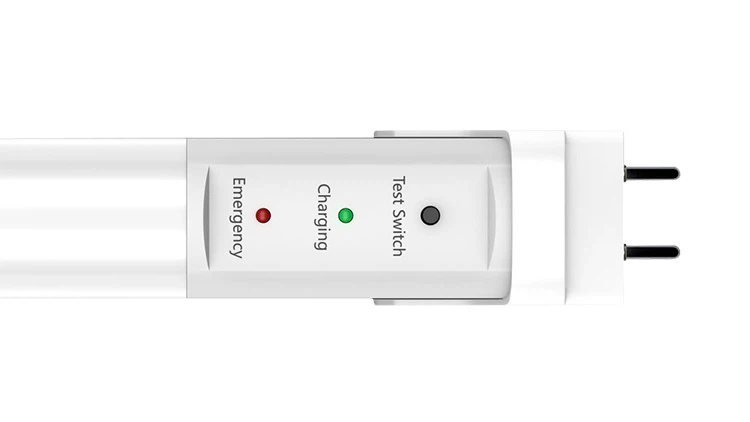
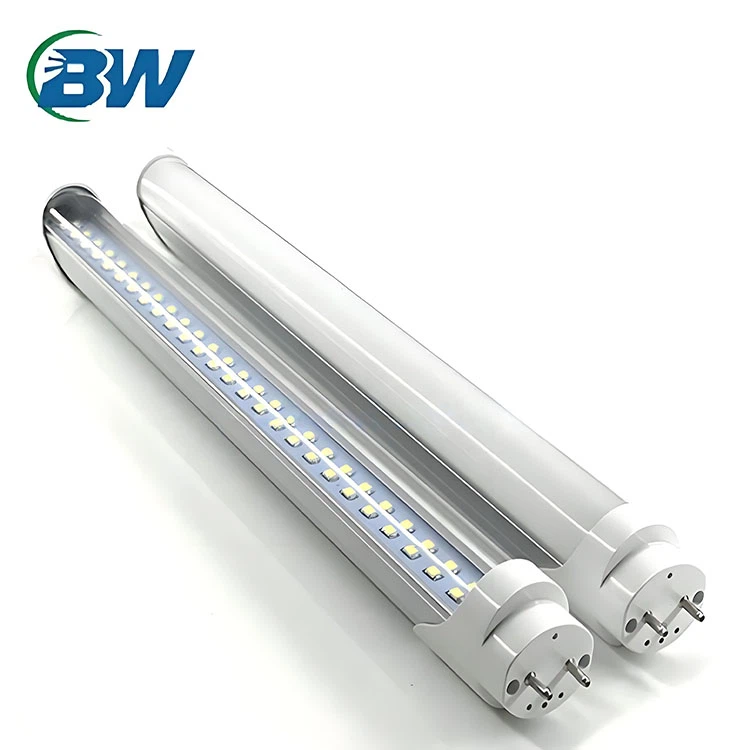
Click the pictures below to learn more about Benwei emergency lights.